Home Procedures Body Liposuction

Liposuction Beverly Hills

Precision body contouring to remove stubborn fat deposits resistant to diet and exercise.

Overview

Contouring the Body You've Earned

There is a version of your body that diet and exercise have taken you as far as they can. You are healthy, you are active, and yet certain areas — the lower abdomen that refuses to flatten, the flanks that persist despite consistent effort, the inner thighs that rub regardless of your weight — simply will not yield. This is not a failure of discipline. It is the reality of human anatomy, where genetics determine where the body stores and, crucially, where it refuses to release fat. Liposuction exists for precisely this patient.

Liposuction is a body contouring procedure. It is not a weight loss tool, not a treatment for cellulite, and not a substitute for a healthy lifestyle. What it can do — when performed with surgical artistry on the right candidate — is remarkable: remove genetically stubborn fat deposits permanently, reveal the musculature that was always there but hidden, and restore the proportional harmony that reflects how you actually live. For patients who understand this distinction, it is among the most satisfying procedures in plastic surgery.

The Tumescent Technique

Dr. Newman performs liposuction using the tumescent technique, which has become the gold standard of the procedure over the past three decades. Before any fat is removed, the treatment area is thoroughly infiltrated with a dilute solution of saline, epinephrine, and lidocaine. The epinephrine dramatically reduces bleeding by constricting blood vessels — allowing for a cleaner, safer procedure with minimal blood loss. The lidocaine provides local anesthesia both during and after the procedure, reducing post-operative discomfort. The fluid itself causes the tissue to swell and firm up (become tumescent), which creates a more uniform, controllable surface for the cannula to work through.

The result of this technique is a procedure that is safer, produces more even results, and allows patients to recover more comfortably than older liposuction methods. It is the foundation upon which every refinement in Dr. Newman's approach is built.

Small Cannulas and the Layered Approach

Not all liposuction is performed with the same instruments. The diameter of the cannula — the slender tube through which fat is removed — has a direct relationship to the smoothness of the final result. Larger cannulas remove fat faster but leave behind irregularities. Dr. Newman uses small-diameter cannulas throughout the procedure, which allows far more precise sculpting and dramatically reduces the risk of contour irregularities. This slower, more deliberate approach is one of the hallmarks of surgical artistry in body contouring.

He also employs a layered approach: working through multiple planes of the fat layer rather than a single pass. This technique removes fat more evenly and supports natural skin retraction as the tissue heals. In areas where skin quality and elasticity matter — the abdomen, inner thighs, arms — this precision is the difference between a good result and a great one. Skin retraction awareness is a central part of Dr. Newman's assessment. He evaluates every patient's skin quality before surgery and is candid about whether liposuction alone will achieve the desired result, or whether additional procedures would better serve the goal.

Areas Treated

Liposuction can address virtually any area of the body where localized fat deposits exist. Dr. Newman commonly treats the abdomen, flanks (love handles), thighs (inner and outer), upper arms, back (bra rolls and posterior waist), submental region (beneath the chin and neck), knees, and calves. Multiple areas can be treated in a single session, and combining areas — such as the abdomen and flanks together — often produces a more harmonious, balanced contour than treating isolated regions. Your surgical plan will be designed around your anatomy, not a standardized protocol.
Quick Facts
Recovery Desk work in 5–7 days; strenuous exercise at 4–6 weeks
Anesthesia Local (small areas) or general anesthesia
Areas Treated Multiple areas in a single session
Results Permanent — fat cells are removed, not shrunk
Compression Garment worn 4–6 weeks post-op
Final Result 3–6 months as swelling fully resolves
Facility Accredited outpatient surgical center
Schedule a Consultation

Treatment Areas

Where Liposuction Can Help

Dr. Newman treats the full range of areas where the body characteristically stores stubborn, diet-resistant fat. Multiple areas are commonly addressed in a single session for a more comprehensive result.

01
Abdomen

The most commonly treated area. Liposuction addresses both the upper and lower abdomen, removing the fat layer that obscures the underlying musculature. Patients with intact abdominal tone and good skin elasticity achieve the most dramatic improvement here.

02
Flanks & Love Handles

The flanks — the soft tissue along the sides of the waist and lower back — are a site of particularly stubborn fat deposits, especially in men. Treating the flanks in conjunction with the abdomen creates a refined waist definition and a smoother silhouette from every angle.

03
Thighs

Both inner and outer thighs can be contoured with liposuction. Outer thigh (saddlebag) liposuction reshapes the hip-to-thigh transition. Inner thigh liposuction creates space between the legs and can dramatically improve lower-body proportions. Both are frequently combined.

04
Upper Arms

The posterior upper arm is an area where many patients — particularly women — carry fat that is disproportionately resistant to exercise. Arm liposuction removes this excess and restores a leaner, more toned-appearing arm contour. Skin quality is an important consideration in treatment planning.

05
Back & Bra Area

Rolls of fat along the upper and lower back — sometimes called bra rolls — can be effectively reduced with liposuction. This area responds well to the procedure and the improvement in clothing fit is often among the most satisfying results patients report.

06
Chin & Neck

Submental liposuction removes the fullness beneath the chin and along the neck, restoring a cleaner jawline and neck angle. This can be performed under local anesthesia as a standalone procedure with minimal recovery and profoundly rejuvenating results — often preferred to more extensive facial surgery in younger patients.

07
Knees

Fat deposits on the inner knee can create a bulge that affects the contour of the entire leg. Knee liposuction is a smaller, more targeted procedure that nonetheless has an outsized effect on lower-leg proportions. It is frequently added to inner thigh liposuction for a continuous line of refinement.

08
Calves & Ankles

While less commonly treated than upper-body areas, the calves and ankles can carry disproportionate fullness that is challenging to address through exercise. When indicated, liposuction of this area requires particular precision given the density of the tissue and the importance of smooth contour in a region with very little room for irregularity.

The Process

What to Expect: Consultation Through Recovery

Every step is guided by Dr. Newman's team. Here is how the experience unfolds.

01
Consultation

Dr. Newman performs a thorough physical assessment of the treatment areas, evaluating fat distribution, skin quality, and underlying muscle tone. He will review your health history, discuss your goals in detail, and provide an honest recommendation for what liposuction can realistically achieve for your specific anatomy.

02
Surgery Day

Surgery is performed at an accredited outpatient facility under local or general anesthesia, depending on the extent of treatment. The tumescent solution is infiltrated into each area, and fat is removed through small, discreetly placed incisions using fine cannulas. Most procedures take 1.5 to 3 hours. You return home the same day wearing a compression garment.

03
Early Recovery

Swelling, bruising, and mild soreness are expected for the first two weeks. The compression garment is worn continuously for the first few weeks, then during waking hours for an additional month. Most patients return to desk work within 5–7 days. Light walking is encouraged from day one to promote circulation and healing.

04
Final Results

You will see a visible difference almost immediately — but the true result emerges gradually as swelling resolves over 3–6 months. At that point, the contour is permanent. The fat cells removed do not return. Maintaining a stable weight ensures the result endures as Dr. Newman designed it.

Gallery

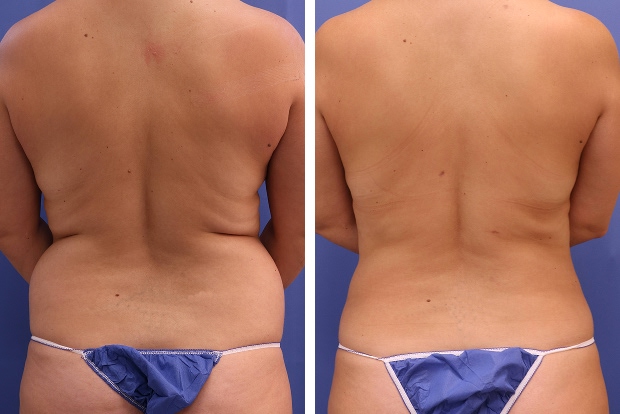
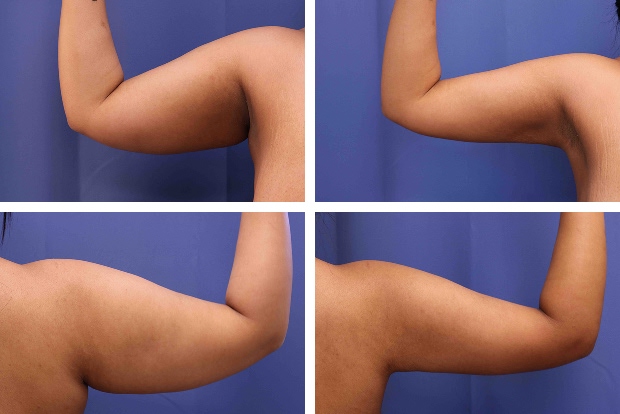
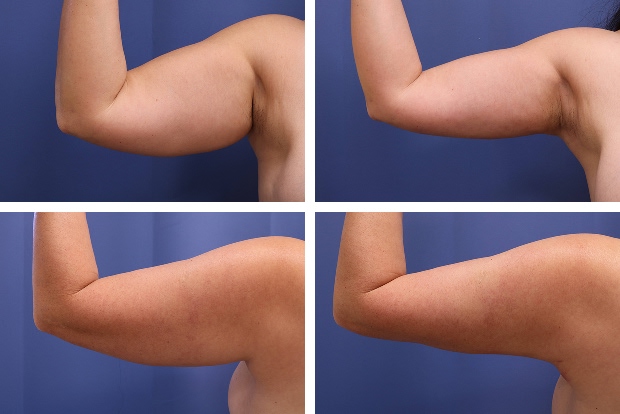
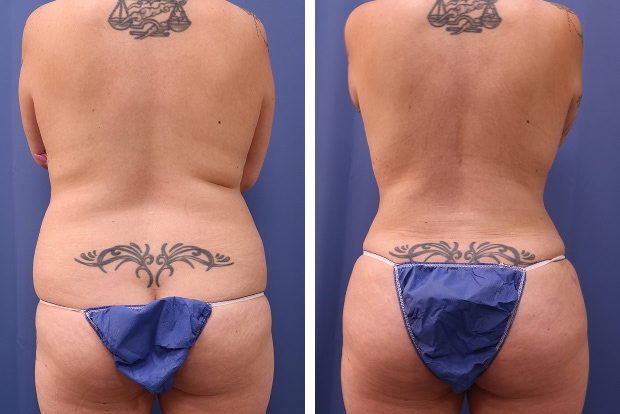
Before & After: Liposuction

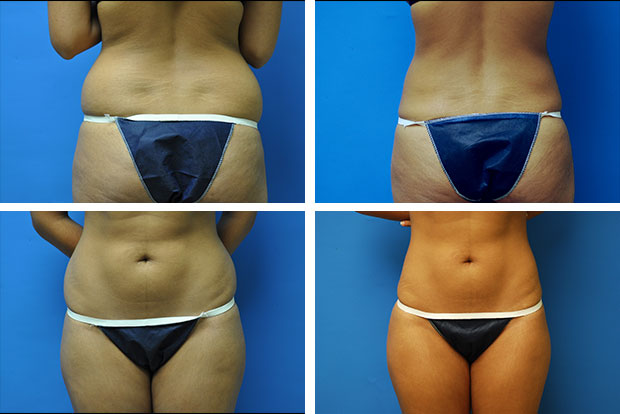
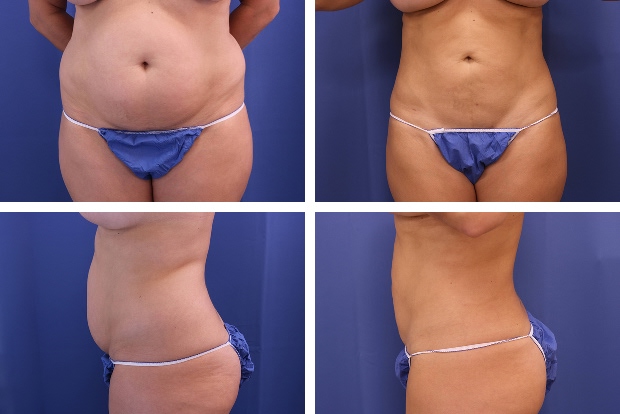
A selection of Dr. Newman's liposuction results. All patients shown are real patients who have consented to share their photos.

Liposuction before and after Beverly Hills – patient 1
Patient 1
Liposuction before and after Beverly Hills – patient 2
Patient 2
Liposuction before and after Beverly Hills – patient 3
Patient 3
Liposuction before and after Beverly Hills – patient 4
Patient 4
Liposuction before and after Beverly Hills – patient 5
Patient 5
Liposuction before and after Beverly Hills – patient 6
Patient 6

*Each patient is unique. Results may vary. Photos are shown with patient consent.

Frequently Asked Questions

Liposuction FAQ

Is liposuction a weight loss procedure?
No — and this distinction matters enormously for setting accurate expectations. Liposuction is a body contouring procedure, not a weight loss tool. The ideal candidate is already at or near a healthy, stable weight but has localized fat deposits that have proven stubbornly resistant to diet and exercise. Genetics determine where the body stores and releases fat, and for many people, certain areas hold fat regardless of overall fitness level. Liposuction addresses precisely these areas. Patients who approach liposuction as a complement to a healthy lifestyle — not a replacement for one — consistently achieve the best, longest-lasting results.
How much fat can be removed?
The amount of fat that can be safely removed in a single session depends on your weight, the number of treatment areas, and your overall health. The general outpatient safety threshold is 5 liters of total aspirate (combined fat and tumescent fluid). This is not a fixed ceiling but a guideline above which additional monitoring becomes necessary. Dr. Newman will discuss realistic expectations during consultation and prioritize your safety above volume removed. The goal is optimal proportion — not maximum extraction.
Will I have loose skin after liposuction?
Skin retraction after liposuction is determined primarily by your skin's inherent elasticity — which depends on age, genetics, sun exposure history, and the amount of fat removed. Younger patients with good skin tone typically experience smooth natural retraction. Patients with already-lax skin or significant volume changes may notice residual looseness. Dr. Newman assesses skin quality at every consultation and is direct about what liposuction alone can achieve. When skin laxity is a factor, he will discuss whether a complementary procedure — such as a tummy tuck for the abdomen — would produce a better overall result.
What is the difference between liposuction and a tummy tuck?
Liposuction removes fat but does not address excess skin or weakened abdominal muscles. A tummy tuck (abdominoplasty) removes excess skin from the lower abdomen, tightens separated abdominal muscles (diastasis recti), and repositions the navel. The two procedures are complementary: many tummy tuck patients also receive liposuction of the flanks simultaneously to create a more complete circumferential contour. Whether one or both is appropriate depends on your specific anatomy — something Dr. Newman evaluates individually at consultation rather than offering a generic protocol.
Is liposuction permanent?
Yes, in a meaningful sense. Adult fat cells do not regenerate. When removed through liposuction, they are gone. However, the remaining fat cells — in the treated area and throughout the body — can still expand with significant weight gain. Patients who maintain a stable weight after surgery enjoy permanent improvement in contour. Those who gain substantial weight may notice some recurrence of fullness, though the treated area typically accumulates less fat proportionally than before surgery. Liposuction is most effective when maintained through a stable lifestyle.
How long until I see final results?
You will notice a visible change almost immediately following surgery, but post-operative swelling will mask the final result for several months. Most patients see approximately 80% of their result by six weeks, when the bulk of swelling has resolved. The fully settled final contour — with all residual swelling resolved and the skin fully retracted — is typically visible at three to six months. Some areas may take up to nine to twelve months to show their complete shape. Wearing the compression garment as directed and avoiding anti-inflammatory medications during initial healing both support the best outcome.

Take the First Step

Schedule Your Liposuction Consultation

Meet with Dr. Newman in his Beverly Hills office to discuss your goals, assess your candidacy, and receive a personalized surgical plan. All consultations are private, thorough, and unhurried.

416 N. Bedford Drive, Suite 403 · Beverly Hills, CA 90210
310.859.0010