Patient Gallery
Tummy Tuck
Before & After
Actual patients of Dr. Newman. Individual results vary. Photos displayed with patient consent.
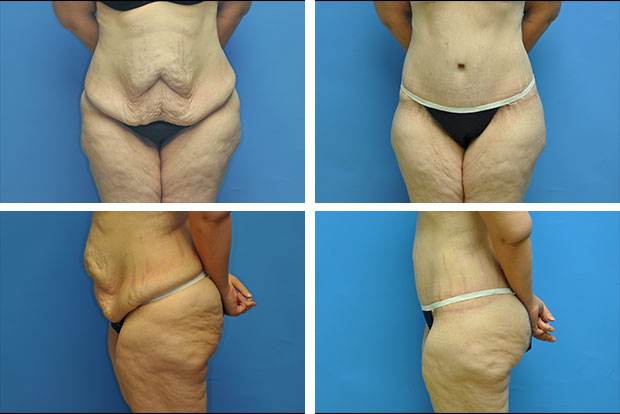
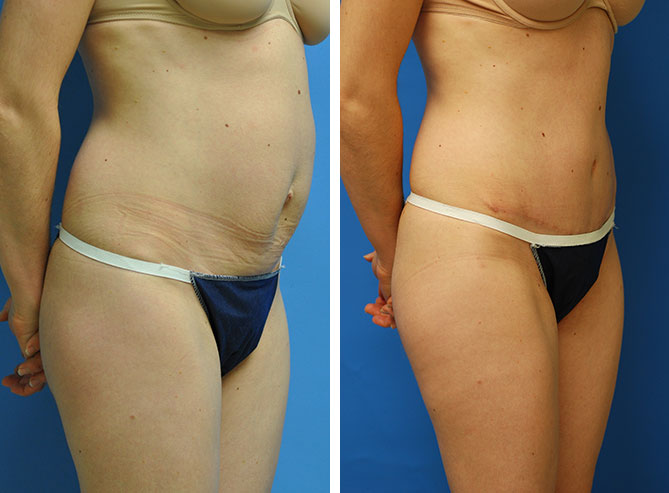
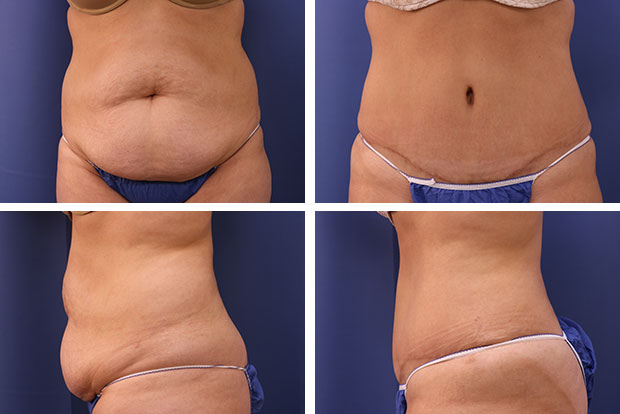
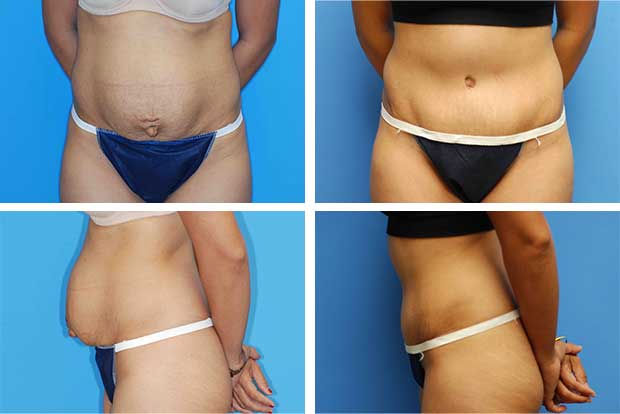
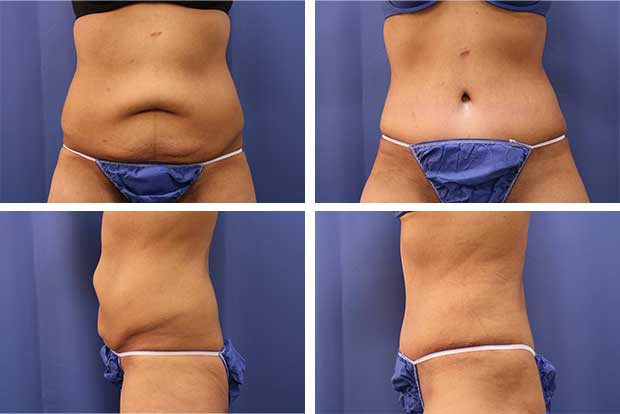
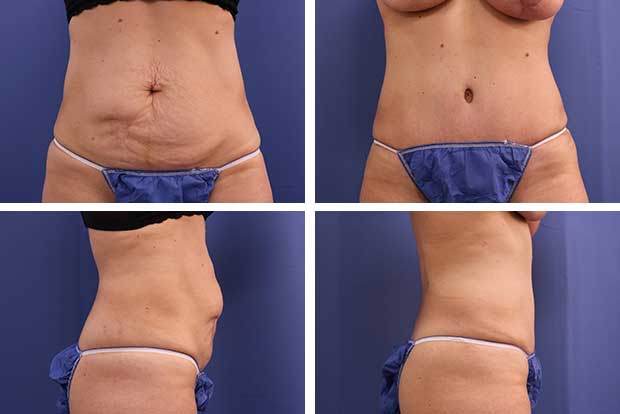
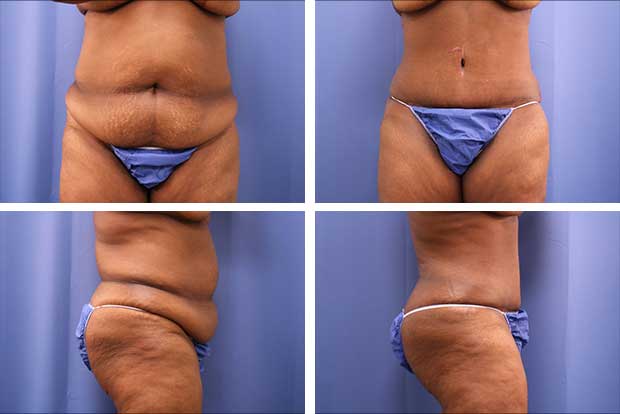
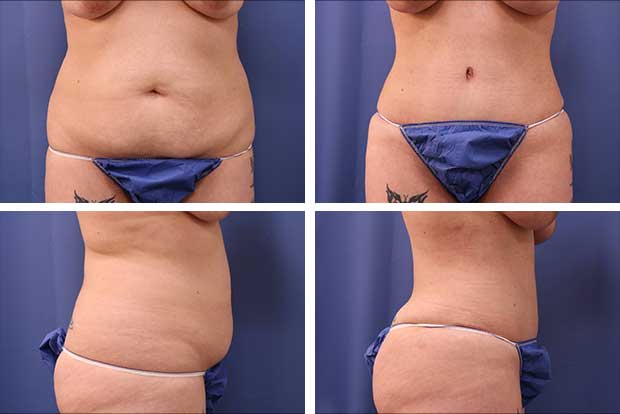
Abdominoplasty in Beverly Hills — Remove excess skin, repair separated muscles, and reveal a flatter, firmer abdomen that reflects the work you've put in.
For many patients — especially women after pregnancy and individuals following significant weight loss — the abdomen is an area that diet and exercise simply cannot fully restore. No matter how hard you work in the gym, excess skin cannot be tightened through exercise alone. And separated abdominal muscles — a condition known as diastasis recti — cannot be repaired without surgery.
A tummy tuck (abdominoplasty) addresses all of this simultaneously.
Dr. Newman performs tummy tucks with the same meticulous attention to detail he brings to every procedure. His technique focuses on creating a natural-looking, feminine result — a flat, toned abdomen that looks like the product of effort and genetics, not surgery. The final scar is placed low, well within the bikini line, and continues to refine over the 12–18 months following surgery.
Liposuction of the flanks and outer hips is commonly combined with a tummy tuck to achieve comprehensive body contouring. Many patients find that while the tummy tuck addresses the frontal abdomen beautifully, adding flank liposuction creates a dramatically narrower waistline and a more defined silhouette overall. Dr. Newman carefully plans all combined procedures to optimize both safety and the aesthetic result, and discusses the specifics of this approach with each patient during consultation.
"Diet and exercise build the foundation. Surgery addresses what they cannot — the excess skin and muscle separation that are a physical consequence of pregnancy and weight change, not a failure of effort."
— Dr. Michael K. Newman, MD, FACS · Beverly Hills
The ideal candidate for a tummy tuck has achieved or is near their goal weight, has excess skin or muscle laxity that exercise cannot address, and is in good overall health. Dr. Newman performs a thorough evaluation during your consultation to determine which technique is appropriate and whether any additional considerations apply to your case.
The most important factor is realistic expectation-setting: a tummy tuck produces significant, lasting improvement — but it is not a substitute for weight loss, and patients who are significantly above their goal weight are advised to wait until they have achieved a stable, healthy weight before proceeding. Maintaining results through a healthy lifestyle after surgery is key to long-term satisfaction.
If you are planning to become pregnant in the future, Dr. Newman typically recommends waiting until after your last pregnancy to undergo a tummy tuck. Pregnancy after abdominoplasty can re-separate the repaired abdominal muscles and stretch the abdominal skin — potentially compromising the results of your surgery. If you have completed your family, or are certain you will not become pregnant again, you are an excellent candidate.
The right technique depends on the degree of skin laxity, muscle separation, and overall anatomy. Dr. Newman selects and customizes the approach for each patient during consultation.
The comprehensive tummy tuck. A hip-to-hip incision allows removal of excess skin from the entire lower abdomen and complete repair of the muscle wall from sternum to pubis. The navel is repositioned through a small incision to sit naturally within the newly contoured abdomen. Most patients with post-pregnancy or post-weight-loss changes will benefit most from this approach.
Significant skin laxity across the full abdomen, diastasis recti, stretched or repositioned navel, post-pregnancy changes affecting the entire abdominal area.
A shorter incision and more limited scope — appropriate for patients whose concerns are confined to the area below the navel with minimal or no skin excess above it, and minimal muscle separation. The navel is typically not repositioned. Recovery is somewhat faster than the full technique. Dr. Newman is candid: fewer patients are truly good candidates for the mini tummy tuck than they initially believe, and the full technique produces more comprehensive and satisfying results for most patients.
Limited lower abdominal skin excess below the navel only, minimal or no diastasis recti, those seeking a shorter scar and faster recovery with appropriate expectations.
For patients with excess skin extending onto the flanks and outer thighs — most commonly seen after massive weight loss — the extended tummy tuck addresses a wider area with a longer incision that wraps around the hips. This approach is often combined with liposuction of the flanks and outer thighs for truly comprehensive lower body contouring, producing transformative results that would not be achievable with a standard tummy tuck alone.
Excess skin extending beyond the abdomen onto the flanks and outer thighs, typically seen following massive weight loss or bariatric surgery.
Recovery from abdominoplasty is significant but very manageable with proper planning. Most patients find the reality of recovery more comfortable than they anticipated. Understanding what to expect at each stage helps you plan time away from work, arrange for help at home, and approach the process with confidence.
Dr. Newman's team provides detailed written recovery instructions, 24/7 contact during your recovery period, and scheduled follow-up appointments to monitor your progress. You will never feel like you don't know what to do next.
"The patients who recover most smoothly are the ones who plan carefully, follow instructions precisely, and give their body the time it needs. It's an investment — and the result is worth it."
— Dr. Michael K. Newman, MD, FACSRest at home with your head and knees elevated to reduce tension on the incision. Drains (if placed) are managed and monitored. Compression garment worn full time. Short, slow walks are encouraged to promote circulation. Pain is managed with prescribed medication and typically well-controlled. Showering permitted after 48 hours.
Most patients return to a desk-based job by day 10–14. Walking is encouraged but strenuous activity is still restricted. Drains, if used, are typically removed by now. Swelling is significant but improving. No driving until off prescription pain medication. Bruising begins to fade.
Energy levels improve and most daily activities are comfortable. Swelling is visibly reducing. Light walking for exercise is appropriate. The incision is healing well and beginning to mature. Compression garment continues to provide support and help shape the final contour.
Return to most regular activities. Light exercise such as walking and gentle cycling is appropriate by week 5. Core exercises and heavy lifting remain restricted until cleared by Dr. Newman at the 6-week mark. Compression garment may be transitioned to daytime-only wear depending on progress.
The majority of swelling has resolved by 3 months. Final results — including the full flattening effect and the mature appearance of the scar — are fully visible at 6 months. The scar will continue to lighten and refine over 12–18 months, typically settling into a fine, low, well-concealed line.
Actual patients of Dr. Newman. Individual results vary. Photos displayed with patient consent.
A full tummy tuck removes the skin panel between the pubic hairline and the navel — which is exactly where the majority of pregnancy-related stretch marks appear. For most patients, this means a significant reduction or complete elimination of their most prominent stretch marks. Stretch marks that are located above the navel will be lowered somewhat as the upper skin is pulled down, but they will not be removed. If your stretch marks are primarily confined to the lower abdomen, your results may be quite dramatic. Dr. Newman will assess your specific stretch mark distribution during your consultation and give you an honest picture of what you can expect.
Yes — combination procedures are common and often advisable. The most frequent combination is the Mommy Makeover, which pairs an abdominoplasty with a breast procedure (augmentation, lift, or reduction) to comprehensively address the body changes of pregnancy and breastfeeding in a single surgery. Liposuction of the flanks and outer hips is also very commonly added to a tummy tuck. Less frequently, procedures like a thigh lift or arm lift are combined in patients undergoing comprehensive post-weight-loss body contouring. Combining procedures requires careful planning to balance total operating time, blood loss, and recovery — Dr. Newman will assess your safety for combined surgery and recommend the approach that optimizes both your results and your wellbeing.
Tummy tuck results are permanent in the sense that the removed skin does not return, and the repaired muscle wall remains repaired indefinitely. However, results can be affected by significant weight fluctuations after surgery — gaining or losing 20+ pounds can stretch the skin or alter the abdominal contour. Pregnancy after a tummy tuck can re-separate the repaired muscles and re-stretch the skin, which is why Dr. Newman recommends completing your family before proceeding. Patients who maintain a stable, healthy weight after surgery generally enjoy long-lasting results. The scar is permanent but typically fades to a fine, barely visible line within 12–18 months.
Yes — a tummy tuck does leave a scar, and any surgeon who tells you otherwise is not being truthful. The key is where the scar is placed and how it heals. Dr. Newman is meticulous about scar placement: the incision runs hip-to-hip along the very lowest part of the abdomen, placed deliberately low enough to remain entirely hidden beneath bikini bottoms and underwear. A small scar also surrounds the navel. The scar's final appearance depends on your skin's healing characteristics, your genetics, and how carefully you follow post-operative scar care instructions. Most patients find that by 12–18 months, the scar has faded to a flat, fine, skin-toned line that they are very comfortable with — and that their clothing conceals entirely.
Diastasis recti is the separation of the two long strips of rectus abdominis muscle (the "six-pack" muscles) that run vertically down the center of the abdomen. During pregnancy, the growing uterus pushes these muscles apart, and in many women they do not return fully to their original position after delivery. The result is a "pooch" or bulge at the center of the abdomen that feels soft and cannot be resolved through exercise — because no amount of core work will bring separated muscles back together. A full tummy tuck directly repairs diastasis recti by suturing the separated muscle edges back to the midline, restoring the core's structural integrity. This is one of the most functionally impactful aspects of the procedure — many patients report improved core strength, reduced back pain, and a feeling of greater abdominal stability after their diastasis repair.
No. A tummy tuck removes excess skin and repairs muscle — it is a body contouring procedure, not a weight loss procedure. The amount of weight lost from the removed skin tissue is generally modest (typically 2–5 pounds). Patients should be at or near their goal weight before undergoing abdominoplasty. Performing the procedure on someone who is significantly above their goal weight produces inferior results, increases complication risks, and may compromise the final outcome if the patient loses significant weight afterward. Dr. Newman will be direct with you about whether your current weight puts you in the appropriate range for the procedure, and may recommend achieving a lower weight first if indicated.
For desk-based or sedentary work, most patients return comfortably at the 10–14 day mark. Physical or active jobs — those involving prolonged standing, walking, lifting, or physical exertion — typically require 3–4 weeks off. You should plan for help at home during the first week, particularly if you have children or pets, as bending and lifting are restricted. Driving is not permitted until you are off prescription pain medication and can react normally in an emergency — typically 7–10 days. Dr. Newman's team will help you plan your timeline during the pre-operative appointment, taking into account your specific job demands and home situation.
The primary differences are the extent of the incision, how much skin is removed, and whether the navel is repositioned. A full tummy tuck involves a hip-to-hip incision, removal of the skin between the navel and the pubic hairline, repositioning of the navel, and repair of the full muscle wall from sternum to pubis. A mini tummy tuck uses a shorter incision (roughly 6–8 inches), removes a smaller amount of skin below the navel, does not reposition the navel, and typically repairs only the lower portion of the muscle wall. The mini tummy tuck is appropriate only for a specific, limited patient profile — those with minimal excess skin confined entirely to the lower abdomen, no issues above the navel, and minimal muscle separation. Dr. Newman finds that most patients who believe they are candidates for a mini tummy tuck actually achieve far better results with the full technique — and he will explain his specific reasoning during your consultation rather than just recommending the more extensive procedure.
A tummy tuck is a significant decision that deserves a thorough, honest conversation. Dr. Newman personally consults with every patient — no sales team, no pressure. Your consultation includes a complete evaluation, discussion of technique options, realistic outcome expectations, and a personalized surgical plan.